Stress Management for Traders: Mindfulness in the Markets
November 24, 2025The constant stream of data, the flashing red and green lights of a P&L statement, the pressure to make split-second decisions with real money on the line, this is the daily reality of a trader. It’s an environment uniquely designed to produce high levels of stress. While many focus on strategies and market analysis, effective stress management for traders is often the missing link between inconsistent results and sustained success. Unchecked stress doesn't just feel bad; it actively degrades your decision-making, sabotages your discipline, and can lead to complete burnout.
Trading is a mental game, and your psychological state is your most important asset. When you are stressed, your ability to think rationally and creatively diminishes, replaced by a primitive fight-or-flight response that is wholly unsuited for navigating the complexities of financial markets. This article will explore the sources and impacts of trading stress and provide actionable strategies, including mindfulness practices and the use of modern technology like the xBratAI app, to help you manage pressure, maintain clarity, and protect your well-being.
The High Cost of Unmanaged Trading Stress
Stress is the body's natural reaction to a perceived threat. In trading, these threats are everywhere: the threat of a loss, the threat of missing an opportunity, and the threat of being wrong. When this stress becomes chronic, it has a devastating impact on both your trading performance and your health.
Impaired Cognitive Function: High levels of cortisol, the primary stress hormone, interfere with the prefrontal cortex, the area of your brain responsible for logical reasoning, planning, and self-control. A stressed trader is more likely to make impulsive decisions, misinterpret market data, and abandon their trading plan. It's why you might make a series of irrational choices, like revenge trading, that you would never even consider when calm.
Physical Health Consequences: Chronic stress is not just in your head. It can lead to a host of physical ailments, including headaches, insomnia, digestive issues, and an increased risk of heart disease. The mental grind of trading can take a severe physical toll if you don't have effective coping mechanisms in place.
Emotional Exhaustion and Burnout: Constant exposure to high-pressure situations leads to emotional fatigue. You may become irritable, anxious, or detached. Eventually, this can culminate in burnout—a state of profound mental, physical, and emotional exhaustion where you lose all motivation and passion for trading. Burnout is not just a bad week; it's a deep-seated depletion that can take months or even years to recover from.
Effective stress management for traders is not a luxury; it is a core component of risk management. You manage risk in your portfolio, and you must also manage the risk that stress poses to your ability to operate effectively.
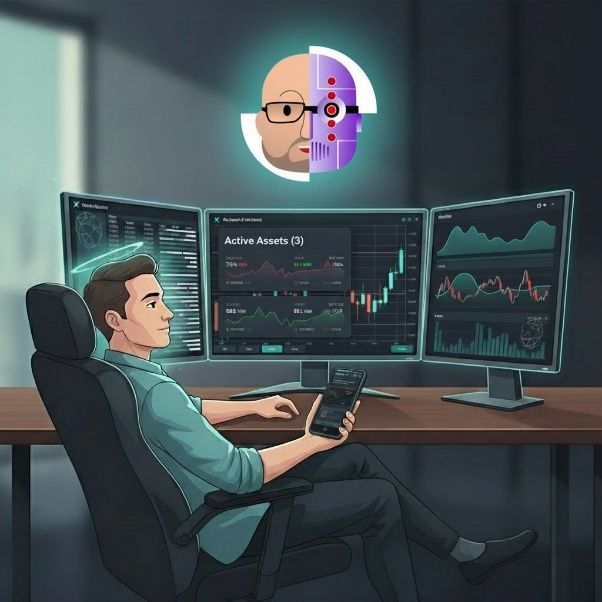
Actionable Strategies for Managing Stress in the Markets
Managing stress doesn't mean eliminating it entirely. A small amount of pressure can enhance focus. The goal is to keep stress at a manageable level where it doesn't overwhelm your capacity for rational thought.
1. Practice Mindfulness: The Art of Present-Moment Awareness
Mindfulness is the practice of paying attention to the present moment without judgment. It is a powerful tool for traders because it trains you to observe your thoughts and emotions without being controlled by them. When you feel a wave of panic as a trade moves against you, mindfulness allows you to step back, acknowledge the feeling ("I am feeling fear right now"), and still make a decision based on your plan, not the emotion.
How to incorporate mindfulness into your trading routine:
Pre-Market Meditation: Start your day with a 5-10 minute guided meditation. Apps like Calm or Headspace offer simple exercises focused on breathing and body awareness. This practice calms your nervous system and sets a centered tone for the day, making you less reactive to market volatility.
The Mindful Pause: In between trades or during moments of high market activity, take a 60-second break. Close your eyes, take three deep, slow breaths, and focus solely on the sensation of the air entering and leaving your body. This simple act can break the stress cycle and bring you back to a state of calm clarity.
Mindful Observation: When you look at your charts, try to do so with a beginner's mind. See the price action for what it is—data on a screen, without immediately layering on narratives of hope, fear, or greed. This helps detach your ego from the market's movements.
2. Set Firm Boundaries Between Trading and Life
For many traders, especially those working from home, the market can bleed into every aspect of life. You find yourself checking quotes during dinner or thinking about a losing trade while trying to sleep. This lack of separation is a primary driver of chronic stress and burnout.
Define Your "Work" Hours: Treat trading like a job with a clear start and end time. When the trading day is over, shut down your platforms and walk away. The market will be there tomorrow.
Create a "No-Trading Zone": Designate physical spaces in your home, like the bedroom or dinner table, where trading is not allowed. This helps your brain associate those areas with relaxation and disconnection.
Schedule Non-Trading Activities: Deliberately fill your off-hours with hobbies, exercise, and social engagements that have nothing to do with the markets. This is crucial for mental and emotional renewal.
3. Let AI Handle the Heavy Lifting
A significant source of stress for traders is the feeling that they must be constantly vigilant, scanning endless charts and data streams for the next opportunity. This creates immense mental fatigue. This is an area where technology can provide a powerful stress-reduction solution.
AI-powered trading tools, such as the xBratAI app, can act as your tireless analytical assistant, reducing your mental load and the associated stress.
Automated Market Scanning: Instead of staring at the screen for hours, you can let xBratAI's algorithms do the work. The app scans markets 24/7 for setups that match its pre-programmed strategies. This frees you from the fear of missing out (FOMO) because you can trust that a system is watching for you.
Reducing Decision Fatigue: The human brain can only make so many high-quality decisions in a day. By distilling vast amounts of data into a simple, actionable signal, xBratAI reduces the number of complex judgments you have to make. It presents you with a potential opportunity, allowing you to conserve your mental energy for the critical tasks of risk management and trade execution.
Data-Driven Confidence: Trading based on a "gut feeling" is inherently stressful because it's rooted in uncertainty. When xBratAI provides a signal, it's backed by data and historical back testing. While not a guarantee of success on any single trade, this data-driven approach provides a foundation of logic, reducing the anxiety that comes with pure speculation.
By outsourcing the stressful task of constant market monitoring to an AI, you can engage with the market in a calmer, more focused, and more strategic way.
4. Prioritize Physical Well-being
The mind and body are inextricably linked. Poor physical health will amplify stress and impair your cognitive abilities. A commitment to stress management for traders must include a commitment to a healthy lifestyle.
Get Adequate Sleep: Sleep deprivation has a similar effect on the brain as alcohol intoxication. Aim for 7-9 hours of quality sleep per night. It is non-negotiable for optimal cognitive performance.
Move Your Body: Regular exercise is one of the most effective stress-reduction tools available. It releases endorphins, improves mood, and helps dissipate the physical tension that builds up from sitting and staring at a screen.
Fuel Your Brain: A diet high in processed foods and sugar can contribute to mood swings and mental fog. Focus on a balanced diet rich in whole foods to provide your brain with the stable energy it needs to perform under pressure.

Trade with a Calm Mind
Stress will always be a part of the trading landscape. The markets are an arena of uncertainty, and uncertainty naturally creates pressure. However, you do not have to be a victim of this pressure. By taking a proactive approach to stress management, you can build the psychological resilience needed to thrive.
Incorporate mindfulness to create space between your emotions and your actions. Set firm boundaries to protect your personal time and prevent burnout. Leverage powerful AI tools like xBratAI to reduce your mental workload and build data-driven confidence. Prioritize your physical health to ensure your mind and body are ready for the daily challenges.
Your ability to manage stress is just as important as your ability to read a chart. Make it a central pillar of your trading practice. By doing so, you will not only improve your profitability but also ensure that your trading career is a long, healthy, and sustainable one.